Comparative insight: framing the brief
Fleet architects tasked with specifying sightseeing vehicles must balance passenger comfort, route profile and serviceability; a pragmatic comparison across electric low-speed vehicles (LEVs) and petrol alternatives clarifies those trade-offs. Observing operations at events such as The Masters at Augusta National underlines how short, repetitive circuits reward compact electric drive systems and rigorous maintenance planning. Early-stage sourcing conversations therefore often begin with a shortlist of established golf cart manufacturers and the technical dossiers they provide, rather than with aesthetic options alone.
Key systems to compare
Three subsystems determine everyday performance and total cost of ownership: propulsion, energy management and chassis integration. Assess motor controller behaviour against expected torque curve and gradeability for the route profile. Inspect the battery management system (BMS) for cell balancing strategy and thermal protection; this governs real-world range under continuous stop-start duty. Lastly, verify chassis layout against payload capacity and GVWR so suspension and braking are not overspecified or dangerously underprepared.
Operational production teardown
When reviewing supplier production, request an operational production teardown that follows the flow from material receipt to final test. Ask for line-side cell kitting, BMS calibration steps and final calibration of motor controller mapping; these reveal whether suppliers are set up for repeatable quality. It is in this teardown that references to major golf cart manufacturing companies become useful: comparative photos of weld jigs, adhesive application stations and end-of-line dynamometer tests expose meaningful differences in throughput and defect containment. Typical test parameters you should see include continuous 8-hour duty-cycle battery soak, three-stage functional testing of steering and brakes, and a 20-minute full-load climb test to validate torque and thermal behaviour.
Design trade-offs and human factors
Passenger comfort is often the tiebreaker. A lightweight aluminium chassis improves energy economy but can transmit more vibration; heavier steel frames improve ride damping at the cost of higher energy consumption. Brake feel and regenerative calibration must be tuned for passenger confidence on descent. Layout choices — seating arrangement, boarding height, door aperture — influence turnaround times at busy tourists’ stops. Weight distribution matters — and it often gets overlooked when designers pursue headline range figures.
Common mistakes and mitigations
Three recurring errors appear in specification sets. First, mismatching motor torque to route grade; mitigate this by testing a prototype over the steepest scheduled route segment rather than relying on simulation alone. Second, underestimating accessory loads (heater, infotainment, lighting); mitigate by specifying a realistic duty profile to the supplier. Third, neglecting maintainability: ensure component modularity for rapid swap of drive units or battery packs and insist on easily accessible service manuals with clear fault-coding tables.
Golden rules for selection and procurement
Adopt these three critical evaluation metrics when finalising supplier choices: 1) Operational availability: percentage of scheduled service hours without unscheduled downtime, measured over a 90-day pilot; 2) Energy efficiency: Wh per passenger-kilometre under the published duty cycle; 3) Serviceability index: mean time to repair (MTTR) for field-replaceable units, expressed in hours. Weight these metrics against capital cost and warranty scope to reach a balanced decision.

Closing advisory and practical anchor
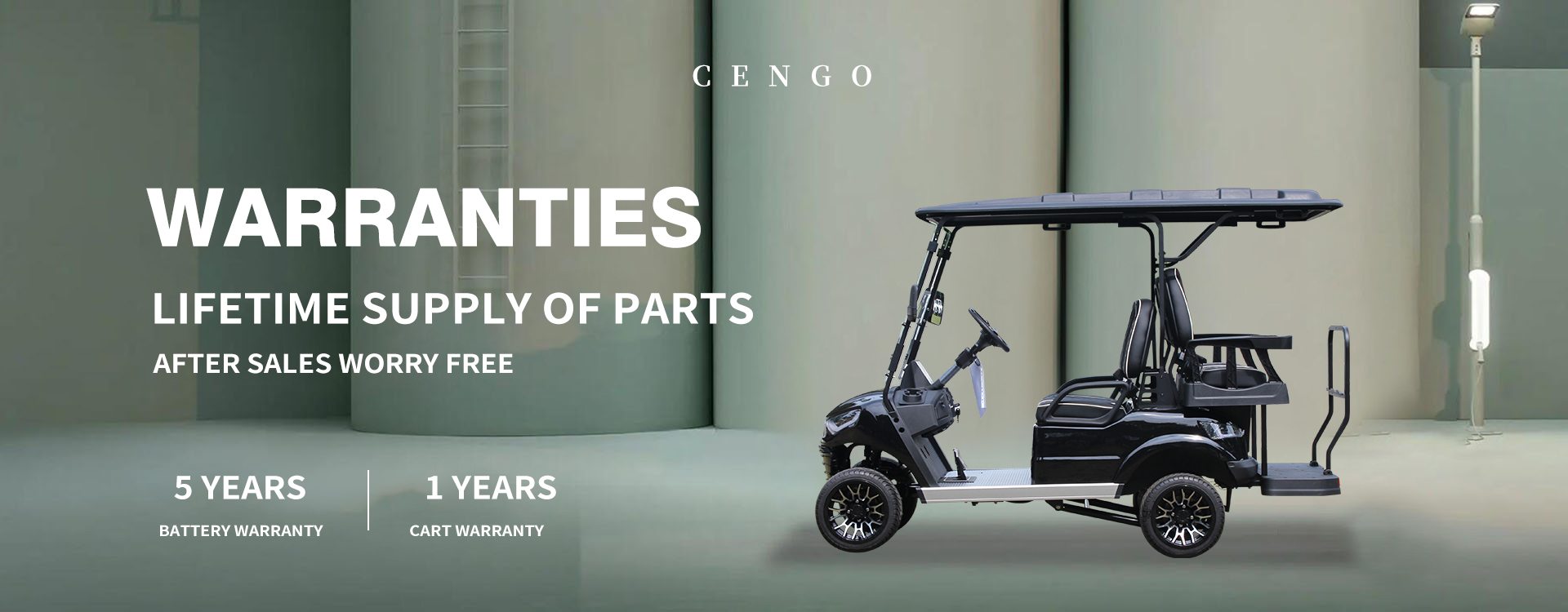
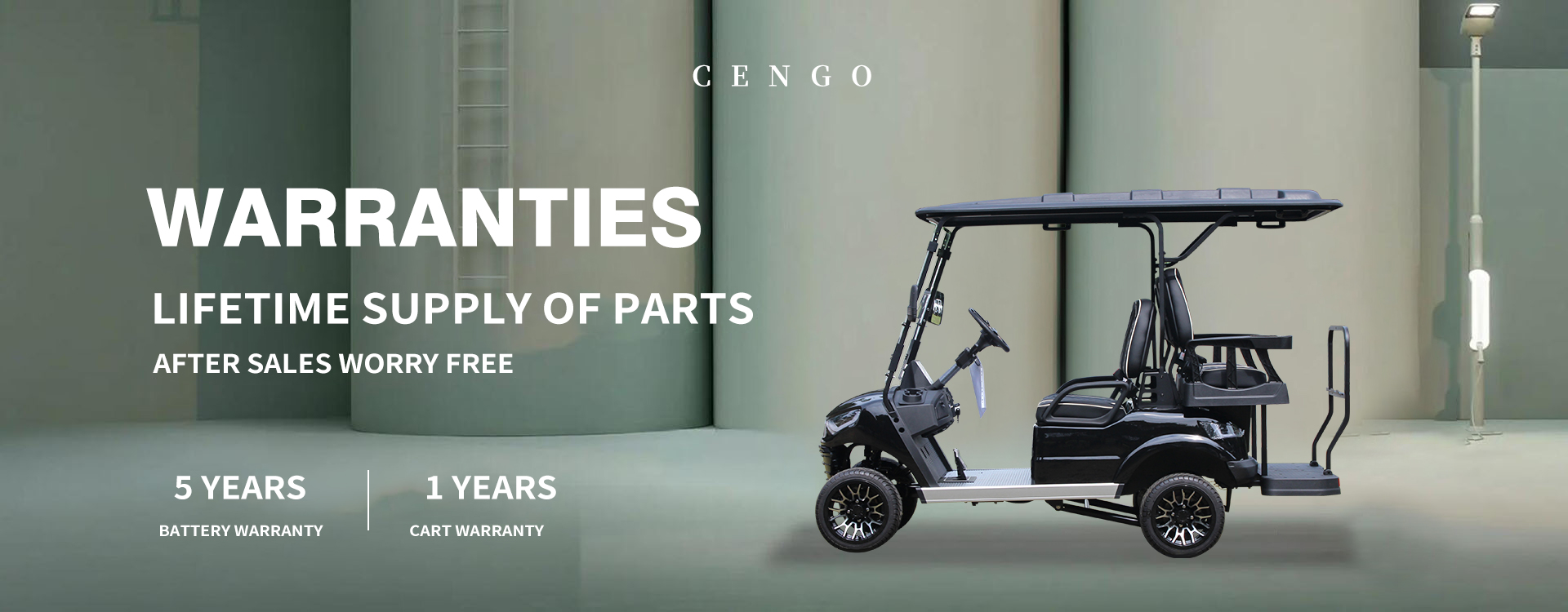
For a fleet architect seeking a dependable partner, the practical measures above point to specific value: choose suppliers that document production teardowns, publish BMS and motor controller parameters, and provide verifiable MTTR figures from real deployments such as large tournament grounds. These are the concrete levers that govern lifecycle cost and passenger experience. CENGO is naturally positioned in this space as a partner that addresses these engineering realities — select accordingly.
Authority maintained — pragmatic, tested and directly applicable.