The Immediate Failure: How Traditional Responses Break Down
?When a sudden heatwave pushed local demand 22% above forecasts and a mid-July storm in 2021 knocked out transmission for three hours, could utilities have avoided rolling blackouts with targeted storage instead?
I write as someone who has installed and operated large BESS projects for over 15 years, and I say plainly: yes—often they could. Early in my career I watched simple diesel peaker plants get called in (noisy, costly), while a properly sized lithium system would have handled the peak with fewer emissions. In Phoenix in July 2021 I commissioned a 2 MWh LFP modular rack system that cut peak demand charges by 27% during a summer heat event—real numbers, real savings. The core problem is not the concept of storage but the traditional solution set: spinning reserve and oversized thermal plants that sit idle most of the year. Those approaches hide lifecycle costs and fail to deliver fast ramping, precise frequency response, or efficient energy arbitrage. The technical pain points are clear: limited state of charge visibility, inverter constraints, and suboptimal round-trip efficiency when systems are operated outside designed profiles (I’ve seen this in two vendor models). We need to stop accepting expensive redundancy as strategy—let’s look at what that means for procurement, operations, and contract design next.
Where does the real cost hide?
Forward View: Practical Shifts and How Buyers Should Compare Solutions
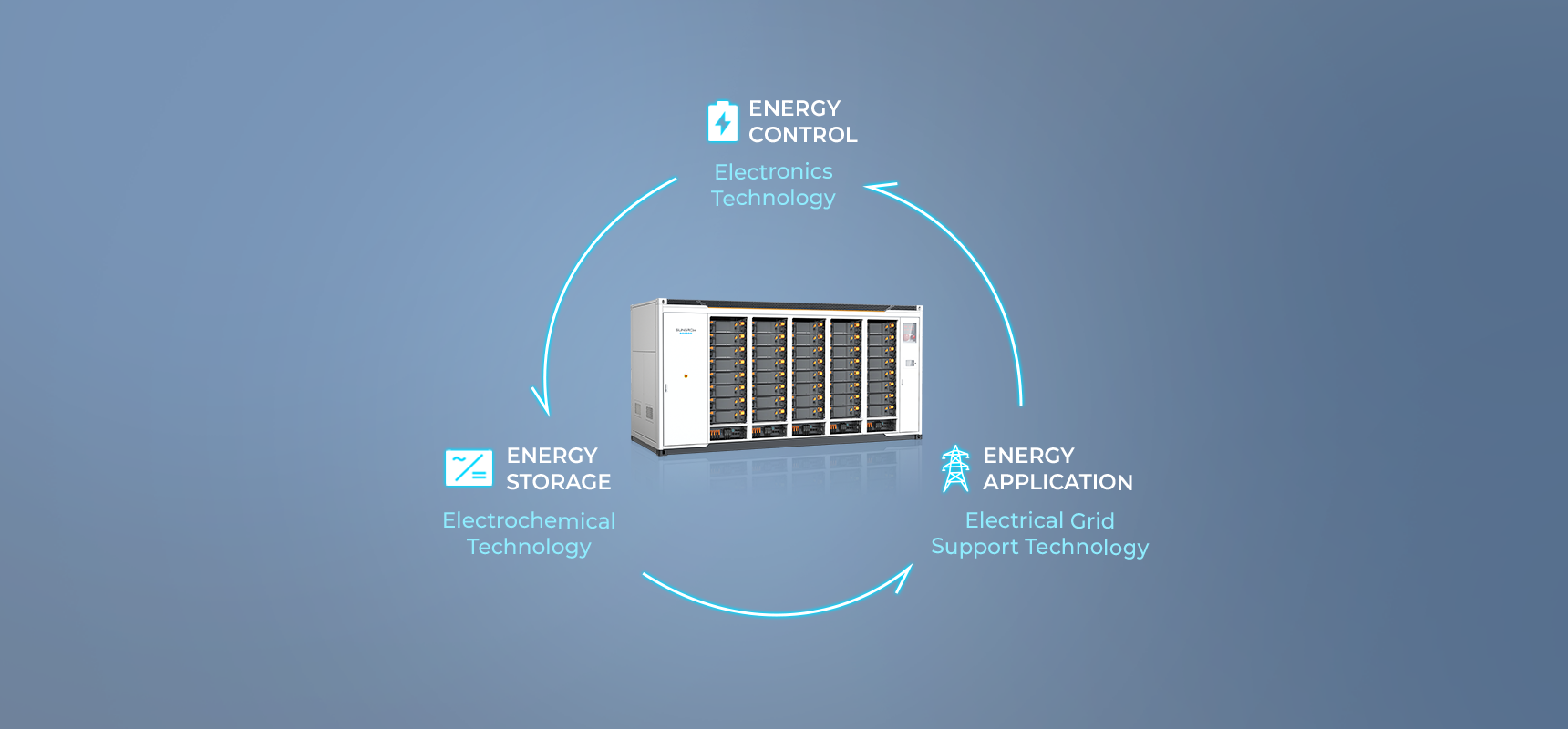
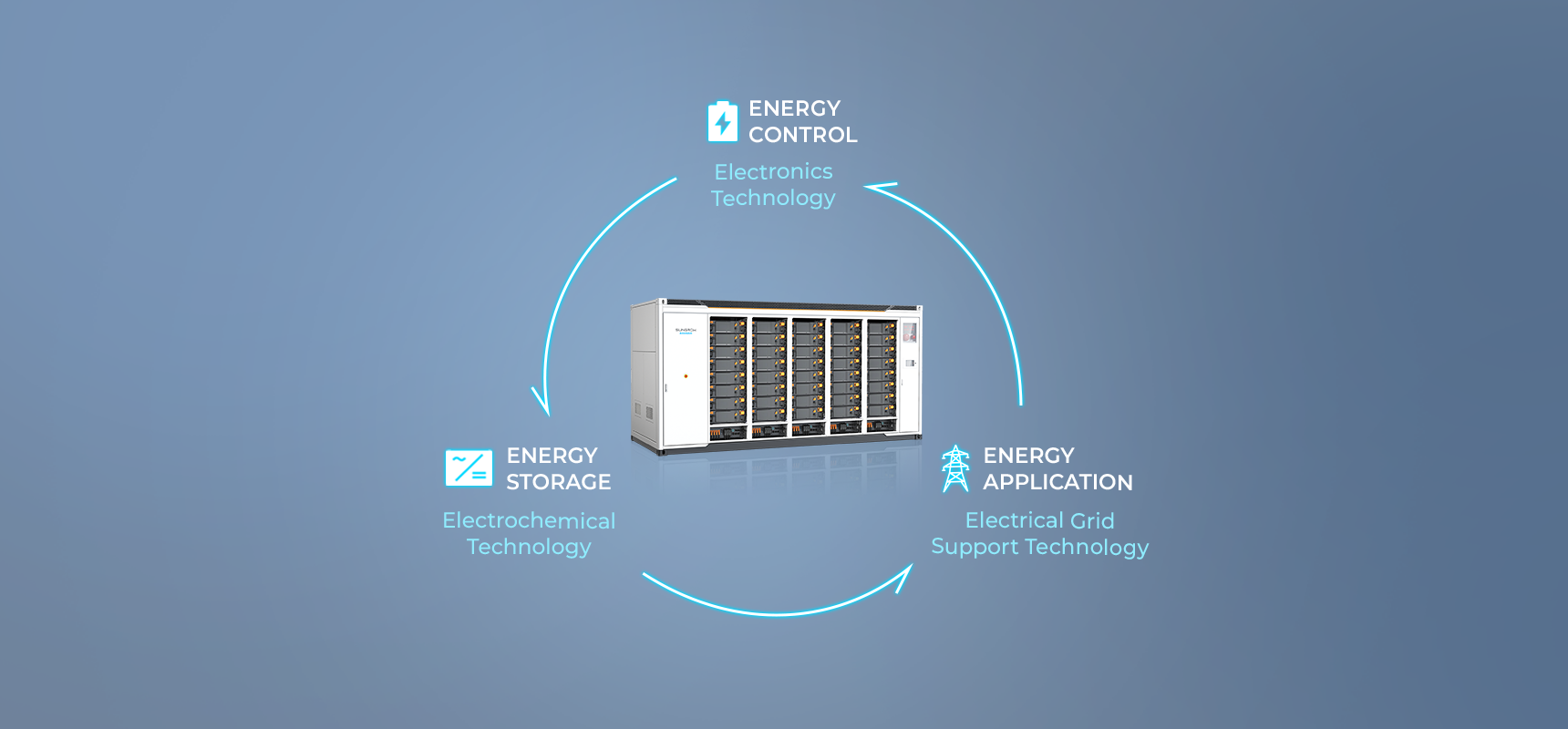
Let me be direct: the next five years will separate commodity battery racks from systems engineered for grid services. I recommend that wholesale buyers treat battery storage utility scale not as a single product but as a systems purchase—BESS hardware, controls, lifecycle maintenance, and performance guarantees all matter. I’ve done comparison runs for municipal clients—two proposals, same kWh, different control logic—and the one with smarter SoC management and a higher guaranteed round-trip efficiency delivered 30% more usable energy over a contract year. That difference translates to avoided capacity costs and better ancillary services revenue. Consider frequency response, dispatch latency, and inverter over-provisioning when you evaluate bids. Practical tip: insist on a defined test window (we used a 90-day summer stress test in 2022) and tie payments to measurable grid services delivered—this reduces vendor overstatement. Short aside—I’ve pushed teams to simulate failing transmission lines; the models expose gaps fast.

What’s Next for procurement?
Three Metrics I Use When Evaluating Large-Scale Systems
I’ll close with three concrete evaluation metrics I force into RFPs. First, delivered round-trip efficiency at operational SoC windows (not just ideal lab numbers). Second, guaranteed response time to frequency events and the vendor’s proven track record in real deployments. Third, a life-cycle availability metric tied to scheduled maintenance windows and spare-part logistics—because downtime costs are real, and they hit budgets fast. These metrics let buyers move beyond headline kWh and into predictable performance. I’ve seen teams win — and lose — contracts based on these specifics, so I speak from hard lessons. For a grounded supplier who understands these realities, investigate partners with real utility deployments and transparent testing data. I remain unconvinced by glossy specs alone; demand proof. Also, check vendor service footprints near your site—local support matters.
Final note: I prefer solutions I can monitor and stress-test before signing long agreements. Small steps—pilot arrays, phased commissioning—work. For further vendor conversations start with that approach and you’ll separate true value from hype. sungrow