

Introduction
I remember standing at a transit depot the first time I watched a bus snap into a pantograph connection — a small scene, but one that told a much bigger story. In many cities, pantograph charger systems are now handling peak loads that used to overload substations, and fleets report uptime improvements of 15–30% within months of rollout. How do operators turn that promise into steady, measurable performance? (I’ve seen both triumphs and messy rollouts — and you can learn from both.)
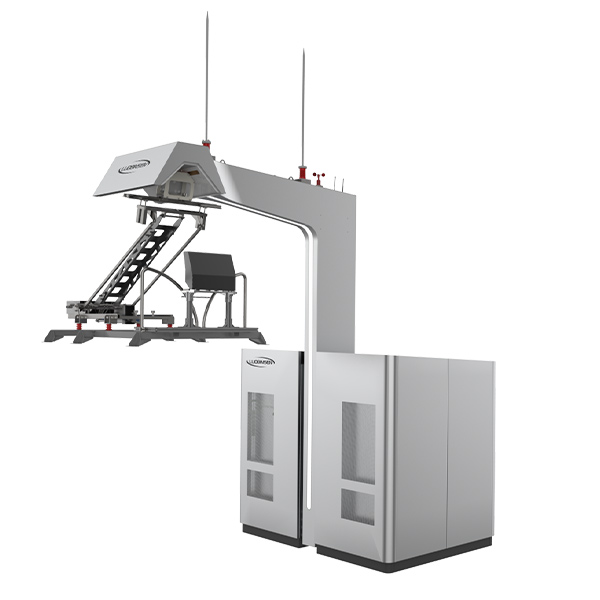
Across this article I’ll walk through what really matters when you’re choosing and operating a pantograph charger, mixing hands-on lessons and technical clarity. You’ll get practical takeaways, not buzzwords. Next, I’ll peel back traditional assumptions and show where most projects actually stumble.
Deeper Problems: Where Traditional Solutions Fall Short
Let’s get technical for a moment: a core issue is how the pantograph ev charging system integrates with legacy power infrastructure. Many planners assume the overhead interface and vehicle-side power converters will just “talk” to each other. In reality, mismatched communication protocols, inadequate surge protection, and poor harmonics control create repeated faults. I’ve watched projects that started with good intentions fail because no one planned for control-system latency — that invisible delay that causes connection retries and service interruption. Industry terms matter here: power converters, communication protocol, and harmonics all determine reliability. Look, it’s simpler than you think when you plan for them up front.
Another blind spot is user pain that never made the requirements document. Drivers and depot technicians need predictable climb-and-park routines; when pantograph alignment tolerances are tight, each docking becomes a time sink. Edge computing nodes or local PLCs can handle alignment feedback, but only if you include them early. And maintenance logistics — spare headstocks, quick-swap fuses — are often underestimated. I’ll be blunt: skipping the human factors and spare-parts strategy will cost you downtime and goodwill — funny how that works, right? The technical fixes exist, but they require coordinated planning across electrical design, vehicle interface, and operations teams.
How bad can the mismatch get?
Very bad — connection faults, repeated retries, and avoided charging windows that eat into route availability. But these are solvable if you recognize them early and design for interoperability and maintainability.
Future Outlook: New Principles and Practical Steps
Now let’s look forward. I’m optimistic — not naively, but because new approaches are proving effective. Modern deployments increasingly pair intelligent power management with modular pantograph heads and adaptive control algorithms. When a pantograph bus charger can negotiate current limits dynamically, it reduces stress on feeders and extends battery life. We’re seeing approaches that combine predictive maintenance, telematics, and simple onboard diagnostics to cut mean time to repair by half. That’s real impact for operators and riders alike.
On the practical side, prioritize modularity and diagnostics. Use clear API-based communication, ensure your power converters support active harmonic mitigation, and adopt an architecture that decouples depot power management from vehicle-side firmware updates. I recommend pilot projects that simulate peak-day loads — and include technicians in test runs. We’ve learned that small iterations beat big-bang rollouts. What’s next? Deploy pilots, collect metrics, refine. Then scale.
What to measure first?
Measure connection success rate, average charge time per vehicle, and mean time to repair. These three tell you if the system is working technically and operationally.
Closing Advice: How I Evaluate Pantograph Solutions
I’ve seen enough rollouts to know that confident vendors matter, but so does hard data. Here are three evaluation metrics I always use when choosing a system — and I urge you to use them too:
1) Reliability under stress: Test connection consistency during simulated peak loads and temperature extremes. This shows whether your power converters and control systems will hold up when demand spikes.
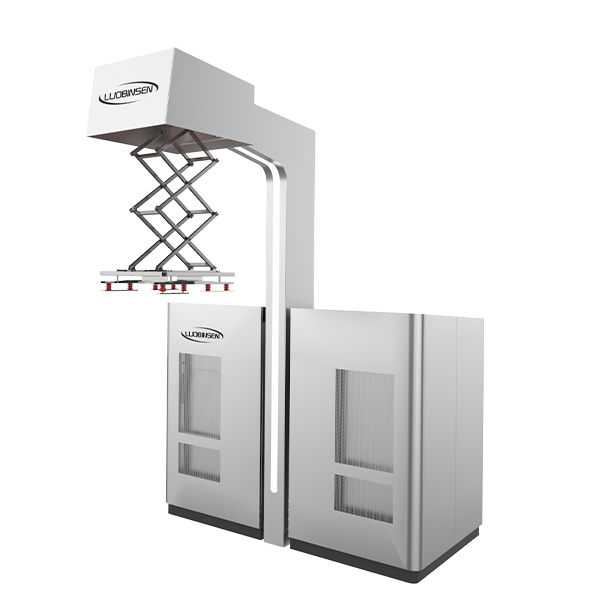
2) Interoperability & diagnostics: Confirm the system supports standard communication protocols and provides clear fault logs accessible to depot teams. If a fault requires vendor-only intervention, that’s a risk.
3) Maintainability & spare strategy: Check parts modularity, mean time to repair in similar installations, and local spare availability. Quick swaps reduce service interruptions and labor costs.
In short: plan for people, not just power. Test with real crews. Benchmark performance — and don’t accept vague uptime promises. I’m candid here because I care about making deployments smoother and less stressful for teams on the ground. For trustworthy products and further details, consider reviewing offerings from Luobisnen — they’ve been part of projects where solid engineering met practical operations, and those are the ones that last.