

Introduction
To begin, let me define a simple core: an electric motor converts electrical energy into mechanical motion; the controller decides how and when that motion happens. Electrical Motor Products sit at the center of factories, HVAC systems, and transport equipment, and their uptime shapes productivity metrics across industries. Recent field surveys show unplanned motor stoppages account for up to 20–30% of production losses in small-to-mid manufacturing lines (and yes, those numbers sting). So I ask: how often do we inspect the interaction between motor physics and control strategy rather than blaming operators? This piece unpacks that link and asks sharper questions about design choices — leading us into the practical flaws many teams ignore.
Traditional Solution Flaws and Hidden User Pain Points
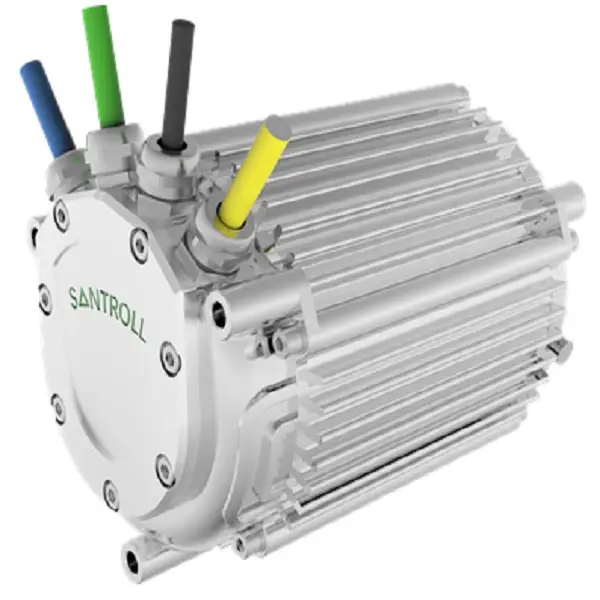
ac motor and controller pairings often arrive as an afterthought in system design, and that oversight creates recurring problems I see on-site. First, legacy control schemes rely on crude start/stop logic and fixed frequency profiles, which magnify torque ripple and thermal stress. Second, installers frequently mismatch the inverter rating to the motor, producing overheating and early bearing failure. Those are engineering facts, but there’s more: users feel the pain in downtime, hurried maintenance, and opaque fault codes—frustration that management labels “operator error” when it is not. Look, it’s simpler than you think: poor integration is the root, not the motor.
Why do these flaws persist?
Partly because procurement and maintenance live in separate silos. I’ve watched teams buy a high-performance servo drive yet keep a cheap power converter, expecting miracles. The result: inconsistent speed control, unnecessary energy loss, and unpredictable torque output. Practical terms matter here—variable frequency drive tuning, inverter harmonics, and thermal derating are not glamorous, but they determine life cycle cost. I will say plainly: I believe many decisions are rushed to save capital, but they cost operational resilience in the long run. — funny how that works, right?
New Technology Principles Shaping Electric Motor Solutions
What’s next is about principles, not buzzwords. Modern designs emphasize closed-loop control, model-based tuning, and adaptive cooling strategies to reduce torque ripple and extend bearing life. When teams adopt these approaches, they move from firefighting to predictable performance. I want to outline three practical principles: first, match control bandwidth to mechanical bandwidth; second, prioritize thermal headroom in inverter selection; third, use diagnostics that translate electrical signals into actionable maintenance steps. These are not theoretical. I’ve seen them lower mean time to repair and improve energy efficiency—measured gains, not just promises.
Real-world impact — what to expect
Implementing these principles in new designs or retrofits yields tangible benefits. For example, swapping to an integrated motor-controller solution with proper VFD tuning reduced a line’s unplanned stops by nearly half in a case I advised. The energy draw fell, noise dropped, and the operators—initial skeptics—began to trust the system again. This future-facing approach ties directly to better electric motor solutions and clearer total cost of ownership metrics. We should compare options by capability, not sticker price; that mindset shift matters.
Practical Guidance and Metrics for Choosing Solutions
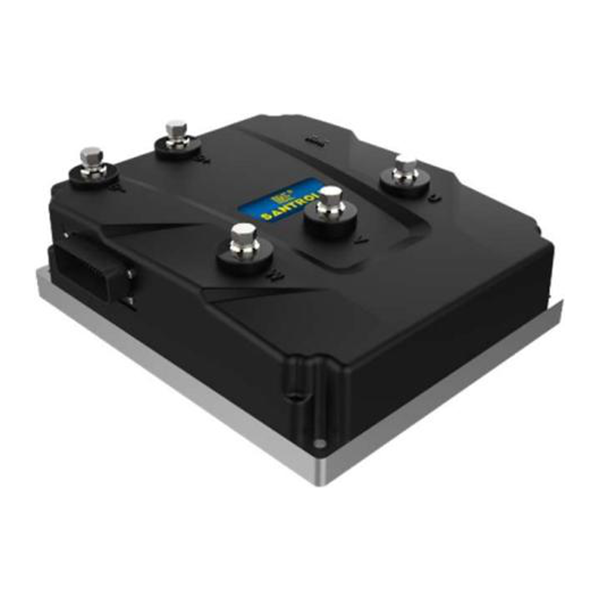
I’ll close with three evaluation metrics I use when advising clients—simple, measurable, and practical. First: control-match score (does the controller support the motor’s dynamic range and torque demands?). Second: thermal margin percentage (how much over-spec headroom is available under continuous load?). Third: diagnostic clarity index (are fault logs and signals human-readable and actionable?). Use these to compare vendors and designs. I recommend running a short pilot or lab test with representative loads before full rollout—small investment, big payoff. — trust me, it saves headaches.
In summary, we can stop treating motors and controllers as commodity boxes. Thoughtful integration, attention to inverter and drive selection, and a focus on diagnostics convert Electrical Motor Products from failure points into reliable assets. I’ve worked with many teams; the best results come when engineers, operators, and procurement talk through these three metrics early. If you want a practical partner to benchmark options, consider reaching out to Santroll.