
Opening: Many Voices, One Channel?
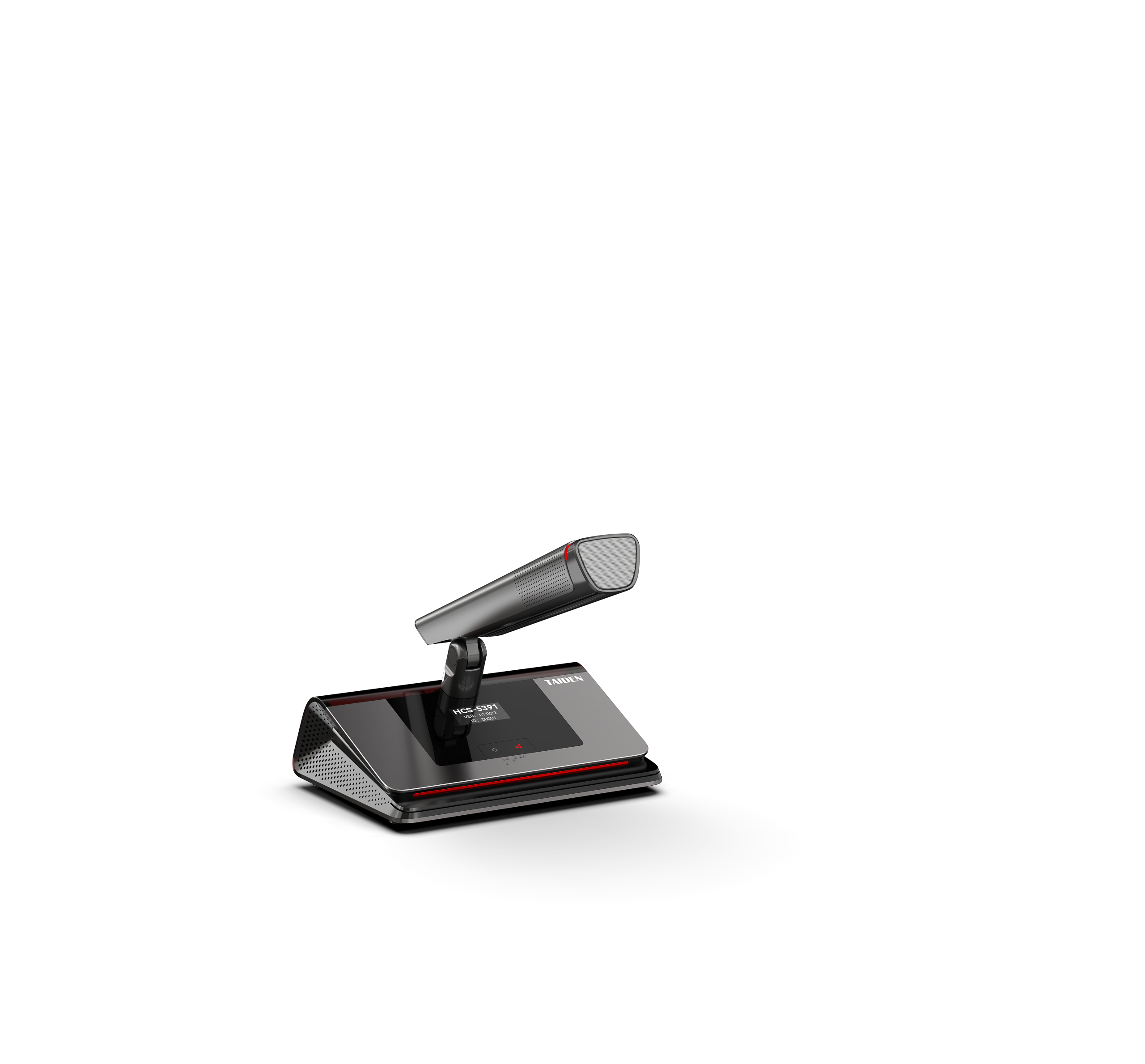
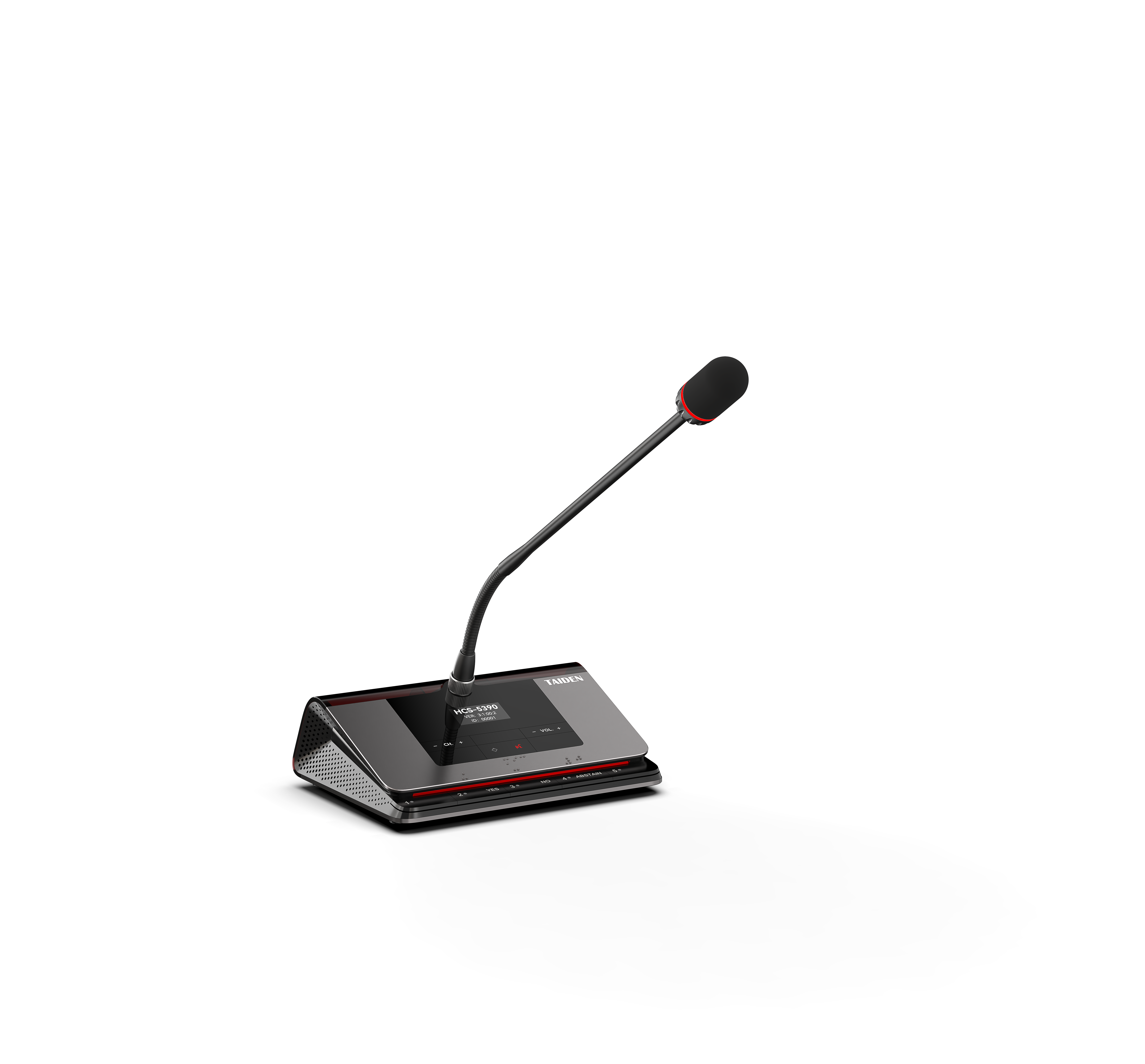
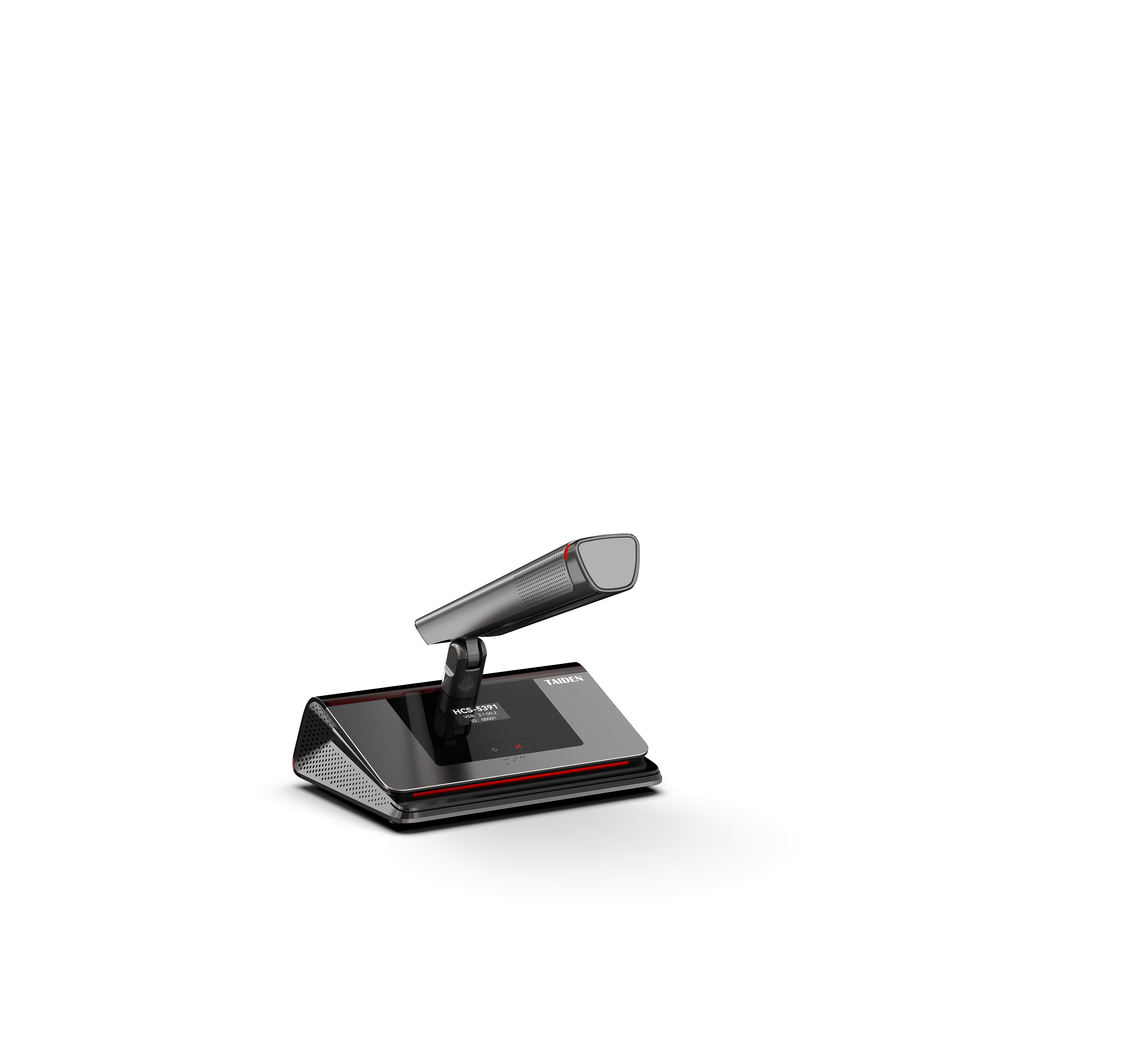
A project team huddles in a glass room while clients dial in from two time zones; the clock moves faster than the agenda. The wireless conference system is set up, and everyone expects sound to “just work.” Last quarter, the facilities team logged 32% of meeting delays to audio issues, mostly jitter or unclear speech—so what’s really going on, and how do we keep the room focused? In rooms like these, a well-tuned wireless conference room microphone and speaker system can feel like a small miracle. You want crisp voices, minimal setup, and zero guessing. Yet, even good rooms stumble: open ceilings, dense Wi‑Fi, and shifting seating patterns collide. (Modern offices are busy ecosystems.) The question is not whether wireless works; it’s why some rooms sound easy and others feel like a struggle.
Here’s the claim—clarity isn’t luck. It’s design, prioritization, and a few smart checks at setup that trim seconds and save hours. And we can compare what helps, fairly and plainly, without finger-pointing. Let’s move from expectations to evidence, and from evidence to better choices—right now.
Under the Table: The Hidden Flaws of “Good Enough” Audio
Old approaches seem tidy: one base, a couple of mics, speakers on the wall. Yet the cracks appear in motion. Cable-first designs restrict seating and force odd mic placement, which raises gain and invites feedback. Basic RF gear fights the same crowded bands as laptops, causing dropouts when traffic spikes. Add codec delay, and it’s harder to interrupt politely—meetings feel sluggish. Traditional systems often ignore room dynamics: glossy tables bounce sound, HVAC hum rides the floor, and sudden talk-overs confuse basic DSP. The result? People repeat themselves. Time goes. Attention slips—funny how that works, right?
Technically, the pain points pile up. Without proper beamforming, voice pickup is uneven. Lacking a stable jitter buffer and QoS, packets wander and words smear. Weak AEC can leave remote echo in the mix, while poor battery management creates anxiety (is this mic still on?). Look, it’s simpler than you think: most “mystery” problems track back to a few issues—RF interference, imprecise mic geometry, and unmanaged latency. Tackle those, and even tricky rooms start acting like well-behaved spaces.
Why do dropouts happen?
Short answer: contention and planning. If channels aren’t mapped, if handoff rules are loose, or if antennas sit in reflective zones, you pay in lost packets. A little RF design goes a long way.
From Pain Points to Possibilities: How New Wireless Holds the Room
Let’s move comparative. Newer platforms don’t just add features; they change the rules under the hood. OFDM-based transports spread data across subcarriers, so single-path glitches don’t sink the call. Adaptive channel selection dodges noise before it hits. Strong encryption (AES-128 or better) protects speech without heavy CPU drag. Smart DSP blends AEC, auto gain control, and noise suppression tuned to human voices—not to fans or paper rustle. Want the fast lane? Edge computing nodes near the room process audio locally, cutting codec latency and smoothing talk-overs. And when devices share timing, handshakes are cleaner; you get fewer awkward “Sorry, you go first” moments.
In practice, you’ll feel this as control, not gadgetry. Systems that predict occupancy adjust pickup patterns; that’s beamforming with purpose. Battery packs with safer power converters and smarter telemetry reduce swap panic. Firmware with OTA updates keeps features current without rolling carts into ten rooms. If you’re studying options for wireless conference mics, look at how they handle packet loss concealment and how they recover after interference—resilience beats raw specs. And yes, placement still matters—small moves make big differences.
What’s Next
We’re seeing tools that rank RF quality in real time, suggest mic orientation, and enforce VLAN rules for traffic isolation. The shift is from “set once” to “self-tune often.” It reads as calm in the room. People speak naturally; ideas move; the tech fades. — funny how that works, right?
Choosing With Clarity: A Short, Honest Checklist
Let’s land this with three metrics that map to real meetings, not lab demos. First, end-to-end latency: aim for sub-20 ms room-to-remote, measured with full AEC and DSP engaged. Second, RF robustness: look for adaptive channel selection plus clear insight into SNR and retries; you want logs, not guesses. Third, lifecycle control: battery health metrics, OTA updates, and SNMP or API hooks so IT can watch devices like any other node. If a system meets these, the rest—coverage, clarity, and calm—tends to follow. Keep the room human. Keep the tools predictable. And choose partners who document what they promise and measure what they ship, like TAIDEN.