The sore spot everyone pretends is fine
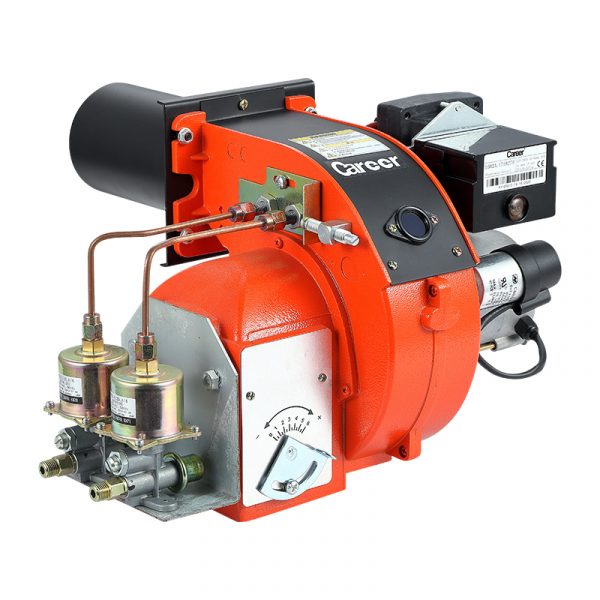
Plants add a methanol burner and expect smoother runs. Instead they get misfires, alarm cascades, and a maintenance schedule that looks like a horror movie. That’s the problem-driving fact: retrofit or regional integration projects often start with optimism and end with heat-waste, downtime, and a lot of finger-pointing. You don’t need cheerleading; you need a diagnosis and a plan.
What actually trips teams up (spoiler: it’s rarely the burner alone)
Integration problems hide in interfaces. Controls tuned for one combustion profile meet a different flame shape and throw exceptions. Fuel logistics change with regional supply quirks. If you ignore control tuning, sensor placement, and startup sequences, the burner becomes the scapegoat. Those are the predictable failure modes—easy to list, harder to fix when everyone’s under pressure to keep throughput up.
A concrete industry snapshot that proves the point
On North Sea platforms, teams have swapped fuel types to lower emissions while keeping uptime high; those projects required close coordination between control engineers, package vendors, and operations teams. Projects that treated emissions hardware as a bolt-on failed more often than ones planned from the control-room level up. That’s why operators now look to low emission burners in retrofit specs and pilot programs — the successful cases I’ve seen paired equipment choices with control rewrites and supply-chain checks before the first commissioning day.
Typical mistakes that turn a retrofit into a headache
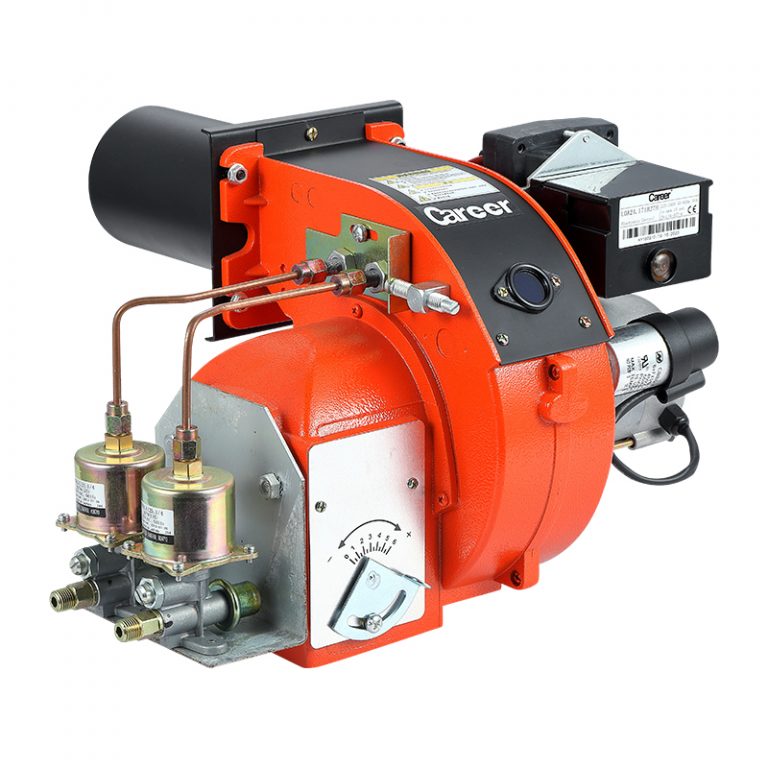
1) Assuming “same size” means “plug-and-play.” It doesn’t. 2) Skimping on control-loop tuning during commissioning. Sensors aren’t decoration. 3) Forgetting regional fuel variability — what works one port may not work the next. 4) Ignoring maintenance training; new burners have different service rhythms. Each mistake adds days or weeks of lost productivity.
Practical fixes that actually work
Start with a failure-mode workshop: list what could go wrong and who owns it. Run a control-simulation session before hardware arrives. Lock down fuel specs with suppliers and plan for blends. During commissioning, allocate two full shifts for control tuning and one shutdown for sensor validation. Train technicians on the first week, not three months later. Those steps cut rework and keep operations running.
How to weigh viable alternatives without getting distracted
Option A: Replace diesel entirely with a compatible fuel system. Big capex, but clean integration if planned right. Option B: Dual-fuel setup—flexible but needs smarter controls. Option C: Retain diesel but add emissions hardware—cheaper short-term, riskier long-term. Compare lifecycle maintenance, spare-parts lead times, and regional fuel access. Don’t pick based on sticker price; pick the path with the fewest unknowns for your site.
The last word — pragmatic and useful
Regional diesel-burner integration fails when teams treat burners like appliances instead of integrated systems. Fix the interfaces first: controls, fuel, and people. Do that, and productivity goes from reactive firefighting to predictable runs. If you want solutions that match this logic, the realistic options and parts I trust come from practical suppliers who understand both hardware and controls—something I’ve relied on repeatedly at Career Burners.