

Problem statement and immediate risk
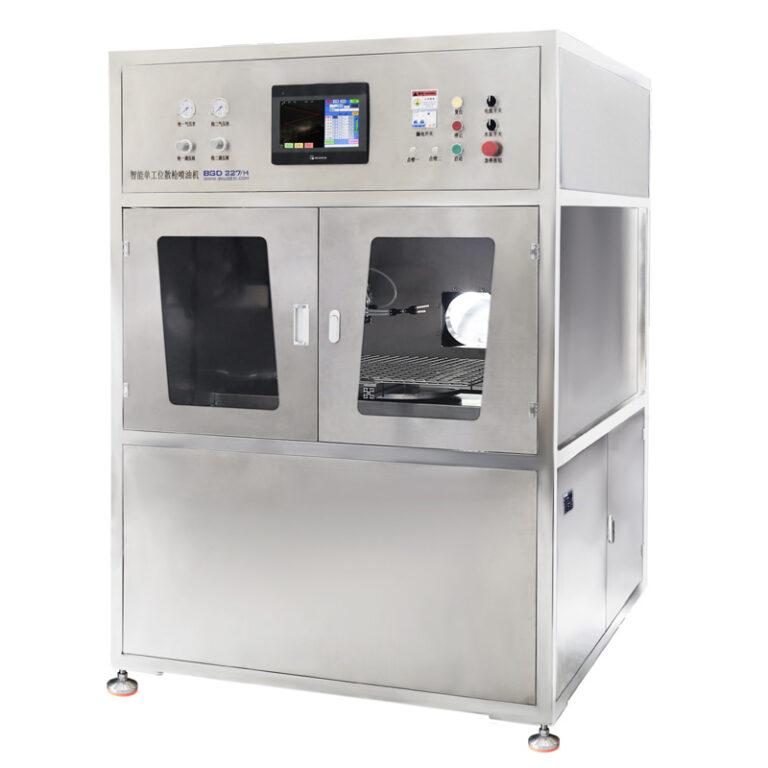
Laboratories often order equipment that fails to deliver consistent coatings because procurement focuses on price and brand reputation rather than measured repeatability; this is true for an automatic film applicator where a 2–5 μm variation invalidates comparative tests. When specifications are vague, procurement teams inherit long validation cycles, instrument downtime, and poor data comparability. For that reason, begin procurement with a clear functional demand: declare target film thickness range, substrate types, and throughput requirements, and verify those claims against hands-on demonstrations such as vendor-provided process runs using the automatic film applicator.
Core performance criteria
Define measurable criteria before evaluating vendors. Required items include: measurable film-thickness tolerance (in μm), reproducibility over 50 runs, substrate clamping stability, adjustable draw-down speed, and compatibility with your solvent environment. Specify calibration traceability—ideally ISO 9001 documentation and a traceable calibration certificate. Demand numerical evidence: repeatability expressed as mean ± standard deviation and test artifacts demonstrating edge uniformity. Avoid vague terms such as “laboratory grade” or “high precision” without numbers.
Technical compatibility and verification protocol
Verify mechanical and electronic interfaces. Confirm footprint, power, and ventilation requirements; ensure software exports raw measurement data in a format your LIMS accepts; request device control APIs or documented serial/USB commands when automation is planned. Require a factory acceptance test (FAT) with your standard substrate and formulation: vendor performs three repeated runs, you witness or receive raw film-thickness maps, and both parties sign a compliance record. Include a clear acceptance threshold: if measured repeatability exceeds specified tolerance, the vendor must adjust or replace the unit before shipment.
Procurement checklist (concise action items)
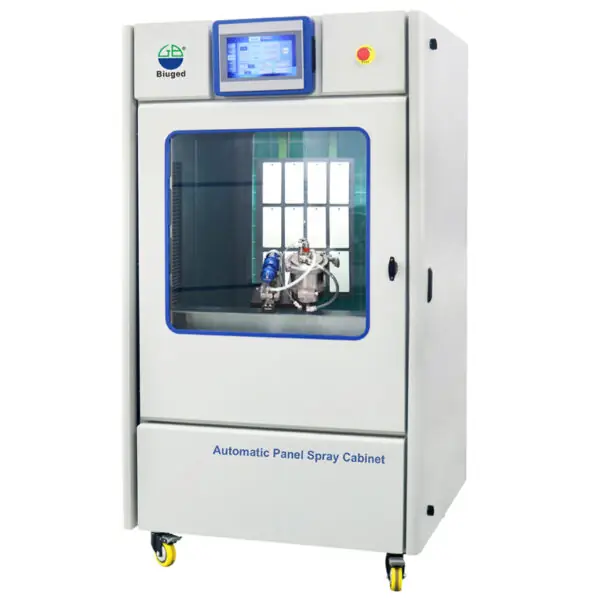
1) Define quantitative performance targets and acceptance tests. 2) Request FAT and a two-week on-site validation window. 3) Inspect calibration traceability and spare-parts lead times. 4) Confirm service contracts, response times, and remote diagnostic capabilities. 5) Evaluate software licensing, update policy, and data export formats. 6) Obtain a written statement on consumables and wear items with expected lifespan. 7) Secure training sessions for operators in the purchase agreement. Each item must map to a contractual deliverable to avoid ambiguity.
Common procurement mistakes and mitigation
Buyers often accept vendor demonstrations performed under idealized conditions rather than the laboratory’s routine process. Wrong assumption: vendor demonstration equals production performance. Mitigation: require vendor to use your materials and substrates in FAT; retain the right to third-party verification. Another frequent error is underestimating consumable costs—plan for rollers, blades, and spare motors. Finally, neglecting software version control causes reproducibility drift; insist on a software change-notice clause and archive images and parameters with each run.
Alternatives and comparative insight
Compare automated applicators with manual draw-downs and semi-automated benchtop units. Manual methods reduce capital outlay but increase operator variability and validation burden; semi-automated units lower variability but may lack throughput. Automated systems typically provide the best long-term reproducibility and audit trails if used properly. When budget binds, select a modular system that permits future automation upgrades rather than a single-purpose manual device.
EEAT: experience, evidence, and a real-world anchor
Procurement decisions should rest on professional experience, documented evidence, and vendor transparency. My own laboratory projects included supervised validations where repeatability improved by 40% after replacing manual draw-down with automated equipment. A useful industry anchor is the demonstrations at Pittcon, where manufacturers frequently present comparative performance data and third-party labs witness process runs; such events provide verifiable demonstrations and technical papers. For direct vendor evaluation, reference an automatic film applicator manufacturer that publishes FAT protocols, calibration certificates, and end-user application notes—those documents permit independent verification and reduce procurement risk.
Synthesis and practical conclusion
Procurement must convert specification language into measurable acceptance tests and contractual obligations; require FAT with your materials, insist on traceable calibration, and plan for spare parts and software governance. When these conditions are met, the outcome is reliable comparative data and fewer protocol failures—precisely the value that a disciplined partner such as BIUGED can provide through documented procedures, spare-part transparency, and demonstrable performance records.
