
Facing the Familiar Failures
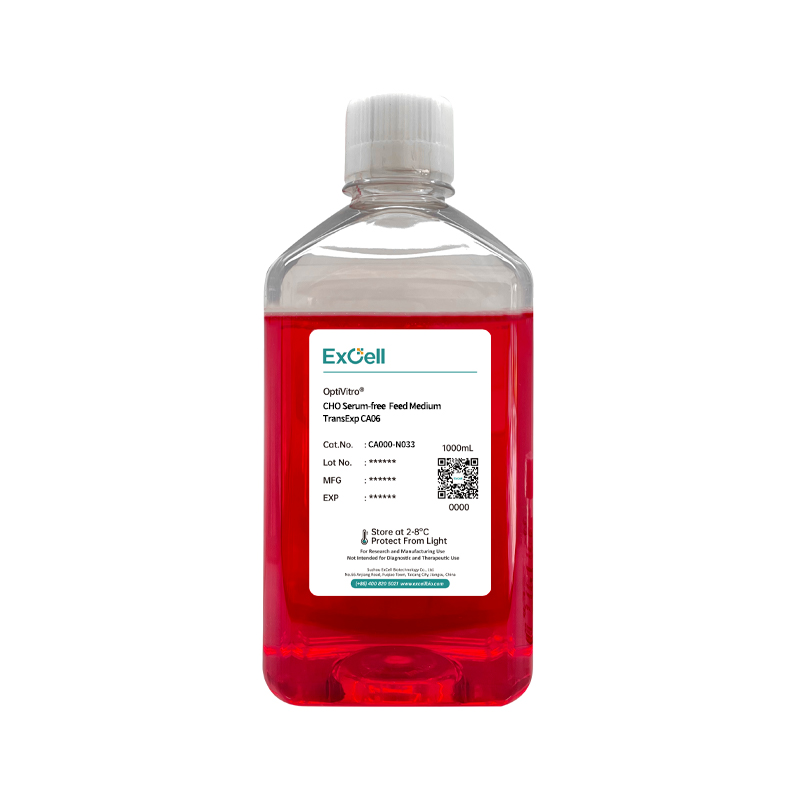
I have over 15 years working with cell lines and suppliers, and I still remember a Monday in March 2020 at our Boston lab when a routine media swap went sideways. Early that week we tested serum free culture media on CHO-S cells — serum free media was supposed to simplify runs, lower variability, and speed downstream work. Instead, we saw a 30% drop in viability within 48 hours (no kidding). I tell that story because labs and small biotechs often underestimate the twin pain points: inconsistent cell adaptation and hidden supply-chain fragility. Basal media choices, growth factors, and cytokines matter more than any marketing note. We learned fast that not all serum replacement mixes behave similarly, and that switching without an adaptation protocol or a proper pilot run wrecks batch yield and morale.
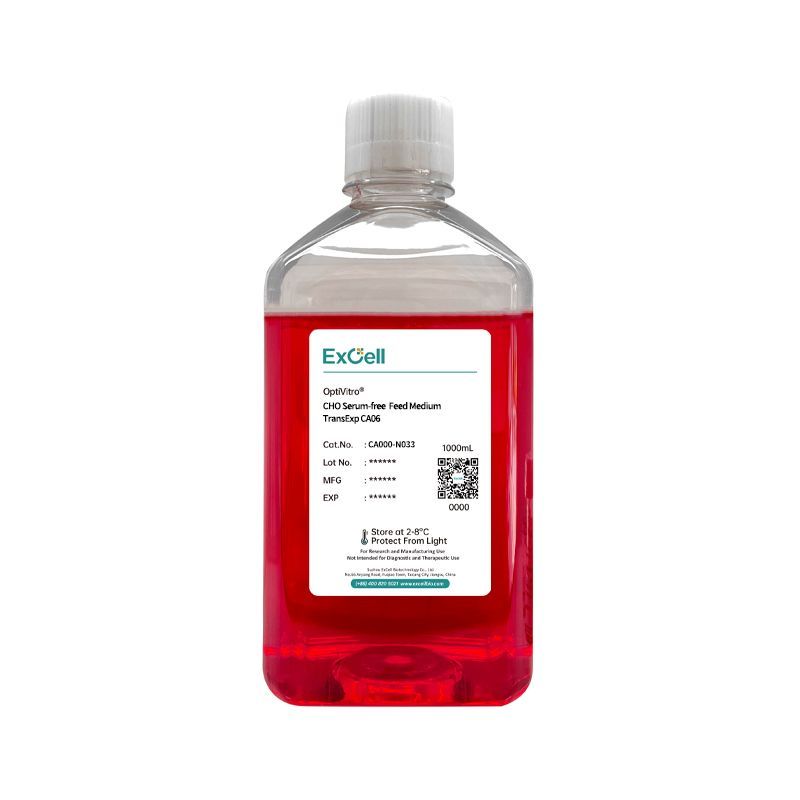
From my vantage I prefer hands-on checks: run a 3–5 day adaptation series in spinner flasks, test cell morphology under microscopy, and compare lactate and glucose trajectories before scaling. These are concrete steps, not vague advice. They fix the silent problems—contamination risk, loss of productivity, and unexpected reagent incompatibility. (Yes—sometimes the vendor-supplied supplement interferes with your antibody titer.) This is the hard truth many skip. Now—let’s move toward solutions and what to measure next.
Practical Roadmap: From Troubles to Traction
When we shifted pace I switched my tone to technical because the fixes are about parameters and protocol. First, validate with DMEM/F-12 or a defined basal medium in small-scale batch culture. Run side-by-side assays on primary cells and CHO lines to detect sensitivity. Use controlled bioreactor runs (I recommend a 2 L stirred-tank for pilot scale) and monitor dissolved oxygen, pH, and osmolality—these are not optional. If your lab is in Boston, or anywhere, document the lot numbers and the supplier lead times; during a March 2020-like crunch, lack of redundancy costs you days of downtime.
Second, watch for hidden incompatibilities. Some serum replacements react with antibiotics or chelators and change metal availability; that alters enzyme kinetics. We tracked this in 2019 when a vendor change led to reduced glycosylation on a recombinant protein — lesson learned. Third, implement a staged adaptation: 10–20% stepwise replacement over five passages, assess viability and doubling time, and only then scale. Those steps cut failure rates substantially.
What’s Next?
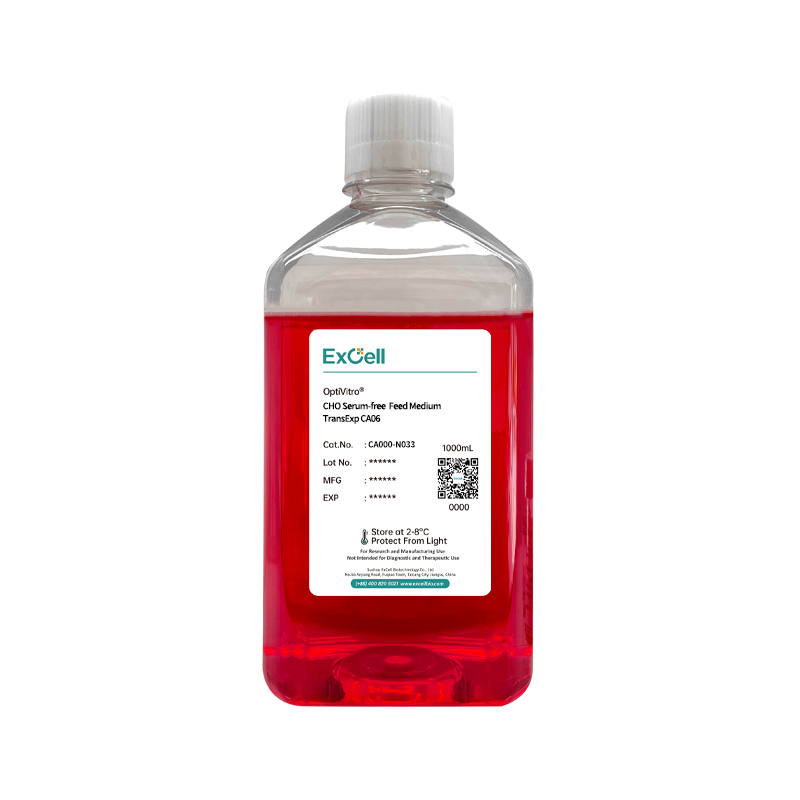
Looking ahead I believe the industry will move toward truly modular solutions: defined supplements tailored to cell type, better analytics for media quality, and clearer supplier SLAs. For lab managers and bioprocess engineers, the comparison is simple — buy a tested medium and risk a higher upfront price, or save now and pay in lost runs and rework. We favor the tested path; it saved our timelines more than once — I still recall the week we recovered a crucial lead from a single validated lot.
Three Metrics to Choose the Right Serum-Free Option
To finish, here are three concrete evaluation metrics I use and recommend: 1) Adaptation Success Rate — percent viability retained after five passages (>90% is a strong signal). 2) Lot-to-Lot Consistency — measured by coefficient of variation in growth rate and titer across three lots (<10% CV preferred). 3) Supply Resilience — number of qualified alternate suppliers and lead-time in days (aim for at least two suppliers and under 14-day replenishment). These metrics are practical and measurable; they stop the guesswork. —I use them on procurement reviews every quarter. —They work.
Adopting serum free culture media can transform workflows, but only if you address adaptation, analytics, and supply planning up front. For labs aiming to scale without drama, apply these checks, run small pilots, and insist on clear data from suppliers. For trusted reagents and consistent service, I often look to partners that offer transparent specs and batch traceability. In my experience — over 15 years of hands-on sourcing and troubleshooting — that attention to detail separates steady progress from repeated setbacks. For reliable support, consider ExCellBio.