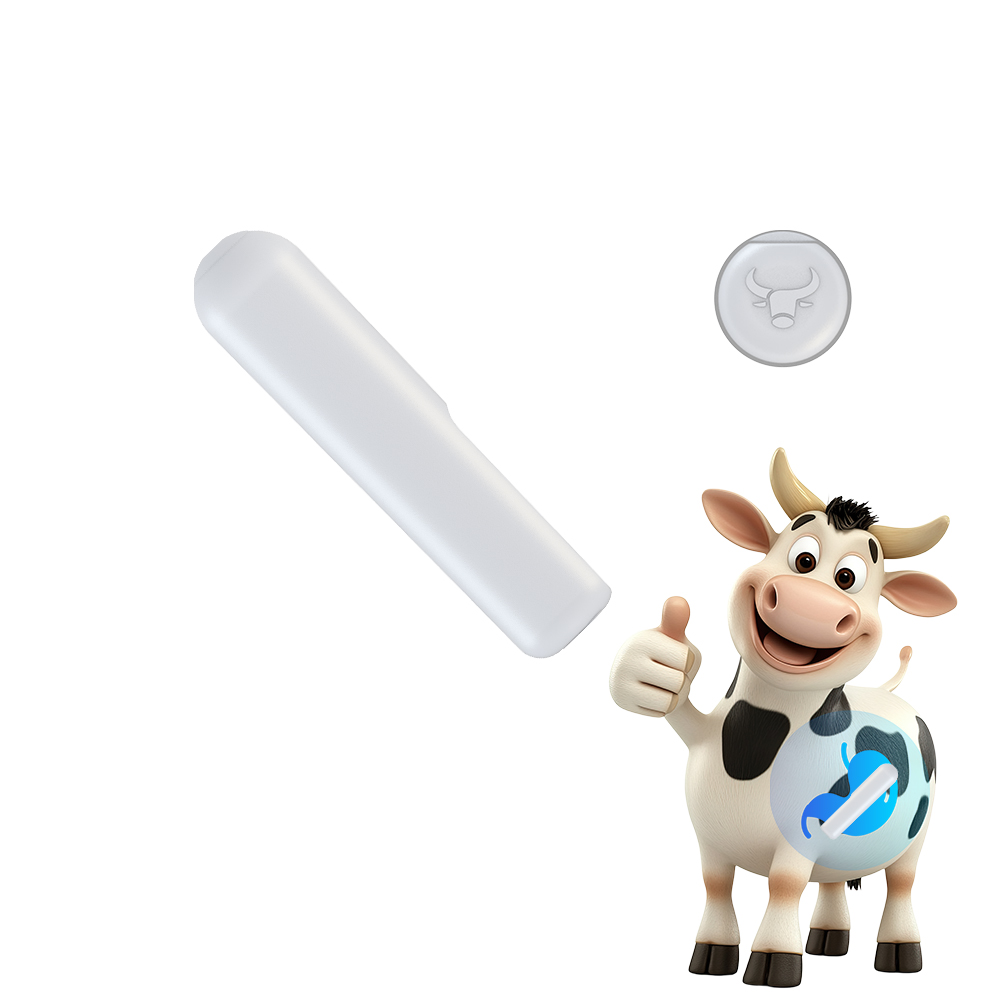

Introduction: A New Era in Cattle Health Monitoring
In today’s agricultural landscape, farmers may often find themselves tangled in complex health monitoring systems for their livestock. With advancements in technology, the rumen bolus sensor emerges as a promising solution. The ability to monitor cows’ vital stats in real time can significantly enhance herd health and productivity. But have you ever wondered how these tiny devices can make such a big difference in farming? — It’s a fascinating revelation, to say the least. As we dive deeper into this topic, we’ll explore the cutting-edge innovations surrounding these devices.

Traditional Solutions: The Flaws Revealed
While traditional methods of cattle health monitoring have served their purpose, they are fraught with limitations. Relying solely on visual inspections or periodic vet checkups can leave significant gaps in timely health interventions. For instance, without continuous data tracking, critical health issues may go unnoticed until they escalate. This is where the cow bolus sensor shines. It eliminates the guesswork, enabling farmers to have real-time insight into their herds’ digestive health, activity levels, and even temperature variations.
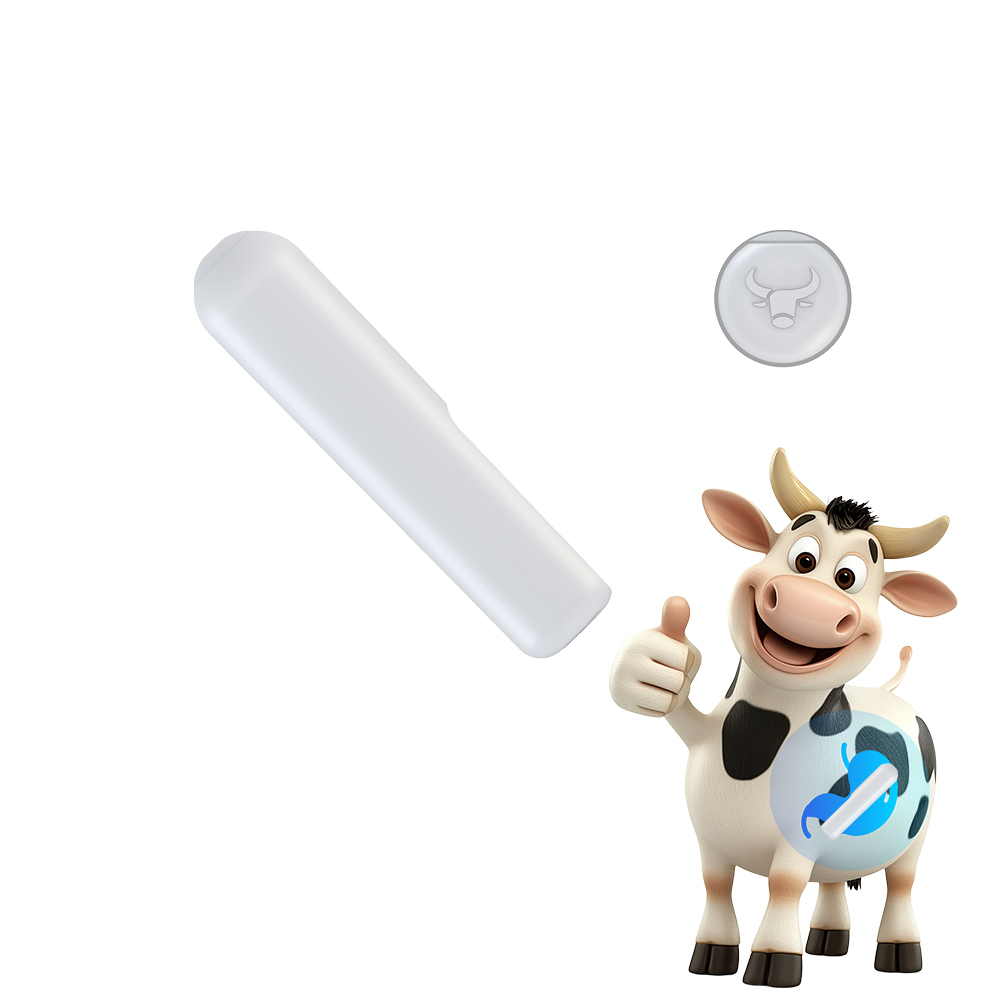
Incorporating technologies like edge computing nodes and powerful data analytics provides unprecedented insight into livestock health. Look, it’s simpler than you think — a small device can deliver large quantities of data straight to a farmer’s smartphone or computer. This efficiency not only saves time but also reduces the risk of disease outbreaks that could easily decimate a herd.
What Makes Rumen Bolus Sensors Stand Out?
The design and functionality of these sensors are central to their effectiveness. Unlike traditional solutions, rumen bolus sensors continuously collect and transmit data. This approach allows for immediate alerts to any anomalies in cow behavior or health. With automated notifications, farmers can respond faster than ever before. Now, think about this: what would have taken days of close observation can now be streamlined into hours or even minutes!
Future Outlook: The Dynamic Changes Ahead
Looking towards the future, the landscape of livestock monitoring is poised for transformation. With continual advancements in IoT (Internet of Things) and smart farming solutions, the applications of rumen bolus for cattle are boundless. Innovations in sensor technology are increasingly focused on integrating various functionalities into one compact module, paving the way for more efficient farm management. Imagine a single device that not only monitors temperature but can also detect early signs of illness or nutritional deficiencies! That would indeed change the game.
Consider the case of a forward-thinking farm that implemented these new principles — since deploying the rumen bolus for cattle, they saw a significant drop in veterinary costs and an increase in overall herd productivity. Farmers who adapt to this technology are not just keeping up with the trends; they are setting themselves up for substantial growth in a competitive market.
The Real-world Impact
To summarize, the integration of rumen bolus sensors into livestock farming opens doors to more strategic decision-making and overall improved animal welfare. The blend of continuous monitoring provided by these devices allows farmers to identify issues before they turn into emergencies. What’s most impressive is the undeniable potential to revolutionize the farming structure as we know it, ensuring sustainability in the long run.
As we reflect on the transformative power of these technologies, several essential metrics come to mind that farmers should consider. When choosing a monitoring solution, evaluate the accuracy of data, ease of integration with existing systems, and the reliability of the information provided. Remember, staying informed is key! To stay ahead, look into brands that are leading the charge in this innovative field, like HKT LORA. Their commitment to advancing cattle health technology can greatly benefit your livestock operations.