
A Quick Scene, A Clear Question
Picture a studio flat in Kilimani after sunset. The walls look warm, but the light leaves a shadow on the worktop and a glare on the screen. A pendant light company is setting up a display nearby, showing how one lamp can change a whole room. In Kenya, lighting can take up to 15% of home electricity, and for renters the cost and comfort both matter. So, here is the question: can a single, well-built pendant do the job of many fixtures without the clutter or waste (pole pole, we ask, but with purpose)?

Let’s ground it. Many city homes are small. Ceiling height varies. Materials differ. Yet people want soft ambience, task clarity, and safe night light—at once. Data shows comfort improves when glare is low and colour is steady. That is about CRI, CCT, and simple controls. Still, buyers chase looks and forget the guts. Do we have a path that blends style and engineering, in a way that fits the budget and keeps power use in check? Here is where a comparative lens helps. We map what fails, then we map what works. Next, we go deeper.
The Hidden Flaws in Decorative Pendant Choices
Why do pretty fixtures disappoint?
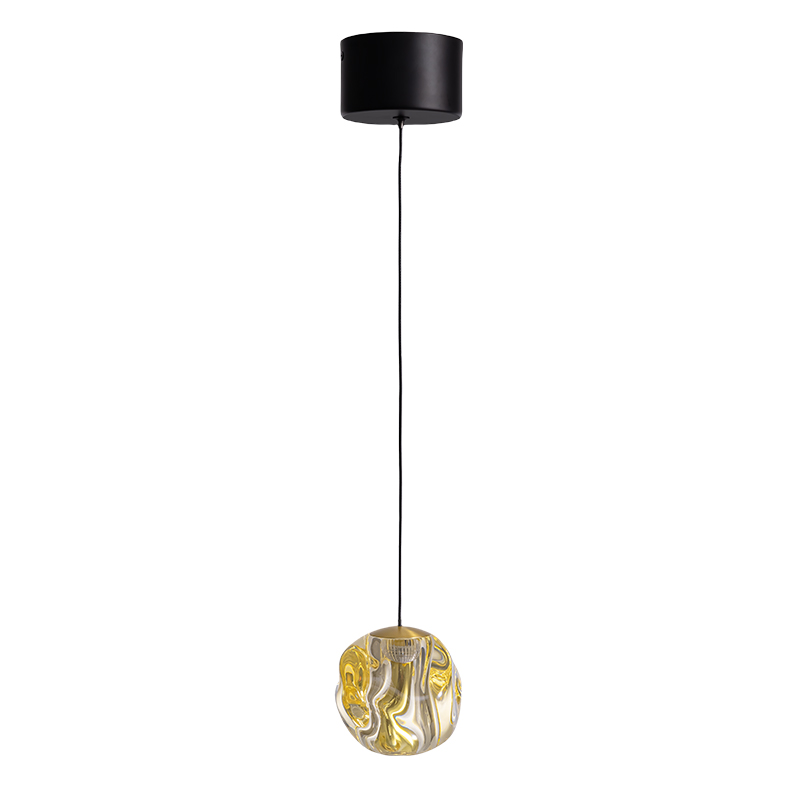
Many homes pick a decorative pendant light for the shade, the finish, or the trend. Look, it’s simpler than you think: beauty without balance leads to harsh hotspots, poor CRI, and uneven lumen output. Traditional picks often use generic bulbs, weak heat sinks, and fixed drivers. That means unstable CCT over time and flicker when dimmed. It also means a high glare index over dining tables and shiny worktops—funny how that works, right? The result is eye strain and a room that never quite feels calm. Worse, many fixtures ignore power factor and use cheap dimming drivers that buzz or step, not glide.
Hidden pain points pile up. You move the table, the beam still misses. You hang the piece lower, now it blinds the sofa. Diffusers are thin, optics are crude, and thermal management is an afterthought. These flaws waste watts and comfort. People then add lamps to fix the first lamp. Clutter grows. Bills rise. Safety slips as cords snake around. A better route is technical clarity: define task zones, control glare, steady the spectrum, and size the pendant to the cone of light. That way, one hero fixture earns its place and does not demand a cast of extras.
Forward Look: Smarter Light, Calmer Nights
What’s Next
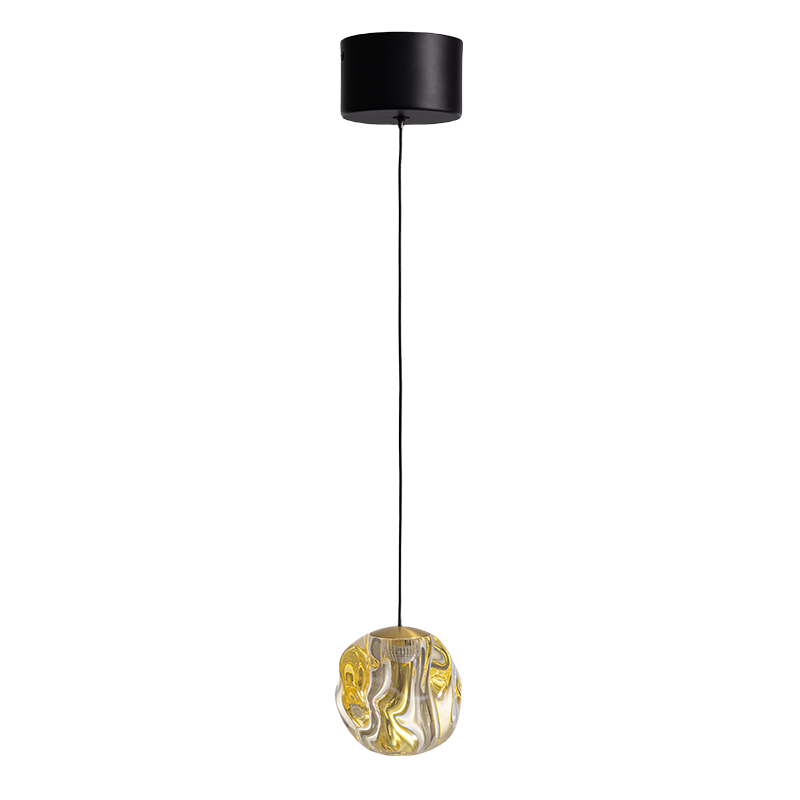
Now, let’s compare old build to new principles. Modern pendants pair high-CRI LEDs with tuned optics and low-noise, high-power-factor drivers. They keep CCT consistent and use PWM dimming that stays smooth even at 5%. Add a simple scene button and the room shifts from prep to dine to wind-down. The same form can include a secondary module for bedside use—subtle, low-lumen, warm-edge output that guides without glare. This is where the best practices overlap with the quiet needs of rest. If you are exploring the best bedside pendant lights, note how beam angles and diffuser textures cut spill, while thermal design preserves output hour after hour.
Real gains show up in lived moments. Late-night reading becomes easy at 2700K with a soft cone. Morning prep runs bright at 4000K without cold bite. Motion or touch control trims waste in hallways. And yes, fewer fixtures can do more. The win is not just style; it is stable light quality plus simple control. In a tight bedsit, two layers used well beat five used poorly—and your meter agrees. As we adopt these principles, pendants stop being shy ornaments and start acting like planned tools—built to serve, then fade into the background when not needed.
How to Judge What Works
We have seen how looks alone fall short and how engineering lifts comfort. To choose well, keep three checks in mind—small, clear, and measurable.
First, optical control and glare: confirm beam angle, diffuser quality, and a low unified glare index. If you can sit at eye level without a harsh edge, you are on the right path. Second, colour and consistency: aim for CRI 90+, tight CCT bins, and drivers that dim without flicker. Test at low levels; that is where poor systems fail—right when eyes are tired. Third, system health: look for solid thermal management, good power factor, and driver longevity rated in hours you can trust. When these align, one pendant supports tasks, mood, and rest without fuss.
In truth, better light is not loud. It feels natural, saves steps, and lets the room breathe. A small home then feels bigger, and nights feel kinder. That is the quiet promise of a pendant done right, judged by clear metrics, and chosen with care. For those mapping options and asking precise questions, the details above will help you move wisely with kinglong.