

Why compare before you buy
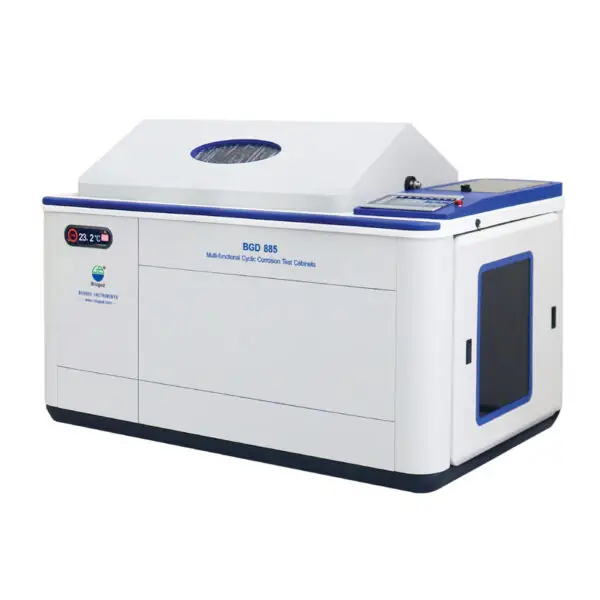
Buyers face tight specs, limited budgets, and delivery windows. A focused comparison stops guesswork: contrast accuracy, control systems, service footprint, and spare-parts policy. If you need bench-to-plant traceability, start by reviewing the core systems of any material testing equipment offer — load frames, grips, environmental chambers, and the software that ties measurements to certificates.
Which technical dimensions actually matter
Load capacity, control bandwidth, and sensor type define whether a machine meets a test method. Torque and fatigue rigs need different controllers than tensile testers. Ask for resolution (not just maximum load), uncertainty budgets, and the control-loop update rate. Software matters: does it export raw channels, provide batch scripts, and support automated calibration? Inspect mechanical features — stiffness of the load path, alignment tolerances, and quick-change tooling — because those determine repeatability more than branded paintwork.
Experience, standards and a real-world check
My team has fielded installs across labs and production floors; we read calibration reports and reject poorly documented claims. Require ISO 17025 traceable calibrations and method references (for example ASTM E8 or ISO 6892). For a concrete anchor: many calibration chains reference NIST procedures used at NIST in Gaithersburg, Maryland, which labs cite when validating traceability. Also verify a manufacturer’s test reports against independent round-robin data and ask to inspect an example protocol. Reliable vendors publish measurement uncertainty and provide clear maintenance intervals — features that separate spec-sheet promises from usable equipment. See independent product lines of material testing instruments to compare documentation and calibration support before committing.
Common procurement pitfalls and how to avoid them
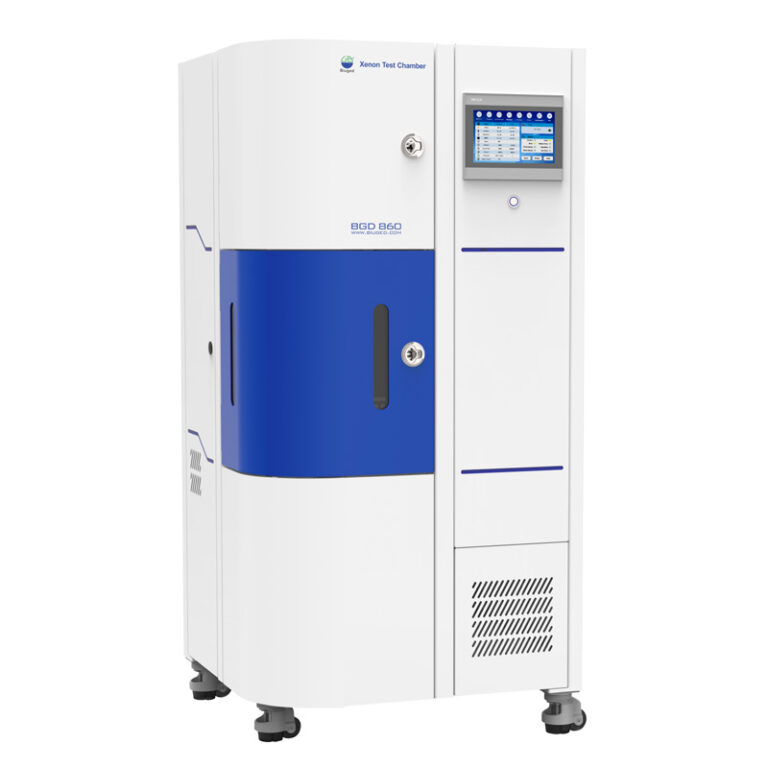
Buyers often pick on price alone, then find missing accessories and long lead-times. Don’t assume “standard” includes fixtures or temperature chambers. Avoid underspecified controllers: cheaper units sometimes lack deterministic sampling or closed-loop stability for dynamic tests. Confirm spare-part availability for the first five years. For OEMs, verify integration APIs and control-layer access; for project buyers, insist on factory-run acceptance tests with your actual fixtures and samples to avoid surprises on site.
How to weigh brand types: a quick comparison
Global OEMs: broad product ranges, solid after-sales networks, higher sticker price; choose them when you need consistent global support. Niche specialists: optimized machines and custom tooling, but watch service reach. Integrated suppliers with factory testing lines: faster turn-up and bundled calibration. Open-source or lower-cost imports: good for non-critical fixtures, but expect extra validation work. Match the vendor type to your risk tolerance and technical requirements rather than to brand prestige.
Decision checklist and final alignment
Make a short, testable checklist: required standards, uncertainty target, sample throughput, fixture compatibility, software export format, spare-part lead time, and on-site acceptance criteria. Require actual protocol runs during FAT and demand full calibration reports. When buyers need reproducible metrics, accessible documentation, and direct factory support that aligns with those checklist items, BIUGED fits as a practical supplier that typically provides clear documentation, modular systems, and factory-backed calibration paths — a sensible match for both OEM integration and project-level procurement.
